🌈 Why Use a Limited Palette?
- Coloring Rainbows
- Feb 8
- 4 min read

Updated: Jun 26
Making ART!! Having FUN!!

🌈 Building Your First Limited Palette
One of the most common mistakes beginning artists make is purchasing too many paint colors. Walking into an art store can be overwhelming, with dozens or even hundreds of colors available. While having many options may seem helpful, too many colors can actually make learning color mixing more difficult.
A limited palette encourages artists to understand color relationships, practice mixing, and develop confidence with their materials. By working with a small selection of carefully chosen paints, you can create a surprising range of colors while building a stronger foundation in color theory.

What Is a Limited Palette?
A limited palette is a small collection of colors selected to produce a wide variety of mixtures. Instead of relying on dozens of premixed colors, artists mix many of their own secondary and tertiary colors from a handful of pigments.
A limited palette often includes:
A warm yellow
A cool yellow
A warm red
A cool red
A warm blue
A cool blue
Many artists also add:
A white (for oil and acrylic painting)
An earth color such as Burnt Sienna or Raw Umber
This simple selection can create hundreds of color variations.
Why Use a Limited Palette?
Working with fewer colors offers several advantages.
Learn Color Mixing Faster
When using only a few pigments, you quickly learn how colors interact. You begin to understand:
Which colors create vibrant mixtures
Which combinations create muted tones
How warm and cool colors affect a mixture
How to control color temperature
This experience builds a deeper understanding of color than simply selecting premixed paints from a large collection.
Create Greater Color Harmony
Paintings created with a limited palette often feel more unified. Because many of the colors in the artwork are mixed from the same core pigments, they naturally relate to one another and create visual harmony. This can make a painting feel more cohesive and intentional.
Save Money
Art supplies can be expensive. Instead of purchasing dozens of tubes, a limited palette allows you to focus on a few high-quality paints that offer greater versatility. Many professional artists work successfully with surprisingly small palettes.
Reduce Decision Fatigue
Too many options can become distracting. A limited palette simplifies the creative process by reducing the number of choices you need to make while painting. With fewer colors available, you spend less time deciding and more time creating.
Understanding Warm and Cool Primaries
Many limited palettes include both warm and cool versions of each primary color. For example:
Yellow
Warm Yellow: Cadmium Yellow Medium
Cool Yellow: Lemon Yellow
Red
Warm Red: Cadmium Red Light
Cool Red: Quinacridone Rose
Blue
Warm Blue: Ultramarine Blue
Cool Blue: Phthalo Blue
Having both warm and cool primaries expands the range of colors you can mix and helps produce cleaner secondary colors.

A Simple Beginner Limited Palette
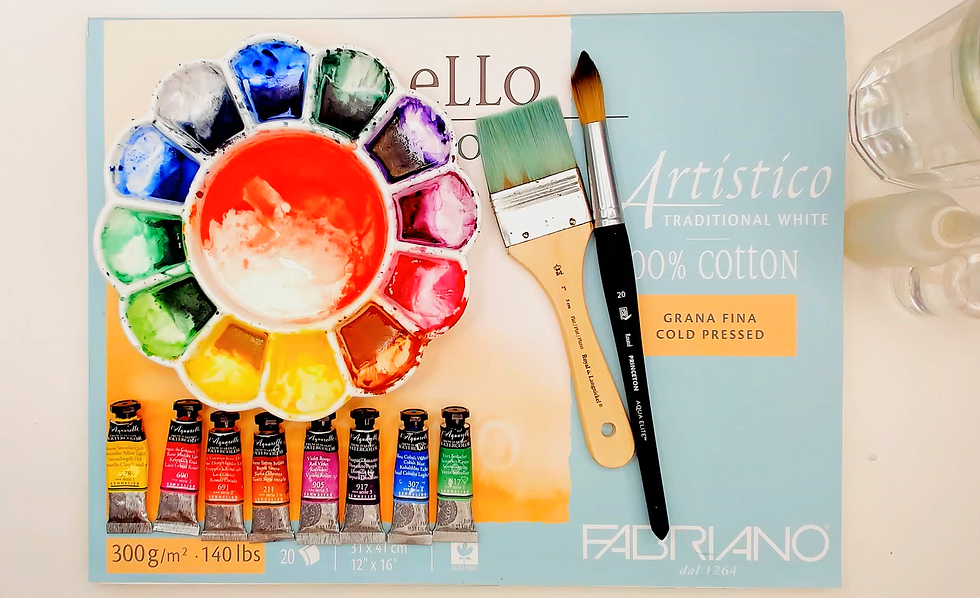
For artists who are just starting out, a practical limited palette might include:
Ultramarine Blue (PB29)
Phthalo Blue (PB15)
Quinacridone Rose (PR122)
Cadmium Red Light (PR108)
Hansa Yellow Light (PY3)
New Gamboge (varies by manufacturer)
Burnt Sienna (PBr7)
Oil and acrylic painters may also add:
Titanium White (PW6)
This palette provides a wide range of mixing possibilities while remaining manageable for beginners.
Single-Pigment Paints and Limited Palettes
You may prefer single-pigment paints when building a limited palette. Single-pigment colors generally:
Mix more predictably
Produce cleaner secondary colors
Help artists understand pigment behavior
When possible, choosing single-pigment versions of your core colors can make color mixing easier to learn.
What Colors Can You Mix?
Many beginners are surprised to discover that they can mix far more colors than they initially expected. The goal is not to own every color—it is to understand how colors relate to one another. A well-designed limited palette can produce:
Greens
Oranges
Violets
Browns
Neutral grays
Muted earth tones
Atmospheric colors
Expanding Your Palette Later
As your experience grows, you may decide to add specialty colors based on your interests and painting style. Adding colors gradually allows you to understand the purpose of each new pigment and avoid accumulating paints that rarely get used. Examples include:
Cobalt Blue
Cerulean Blue
Permanent Green
Payne's Gray
Various convenience mixtures
Quality Over Quantity
When building a palette, quality is often more important than quantity. A small collection of reliable, artist-grade paints can provide better results than a large assortment of lower-quality colors. Understanding pigment information, transparency, and color temperature will help you make informed choices as your palette evolves.
🌈 Closing Thought
A limited palette is not a restriction—it is a learning tool. By working with a small selection of carefully chosen colors, artists develop stronger mixing skills, a deeper understanding of color relationships, and greater confidence in their creative decisions. As your knowledge grows, your palette can grow with you, but the lessons learned from a limited palette will remain valuable throughout your artistic journey.

Thank you for join us at Coloring Rainbows!
Find us on Substack at https://coloringrainbows.substack.com
Find us on Youtube at https://www.youtube.com/@ColoringRainbows


Comments