🌈 Why Preserve the White of the Paper

Updated: Jul 10
Making ART!! Having FUN!!

🌈 Watercolor Tips: Let the Light Shine Through
One of the most beautiful qualities of watercolor is its transparency. Unlike opaque painting mediums, watercolor allows light to pass through each layer of color and reflect back from the white paper underneath. This creates the luminous, glowing quality that makes watercolor so unique.
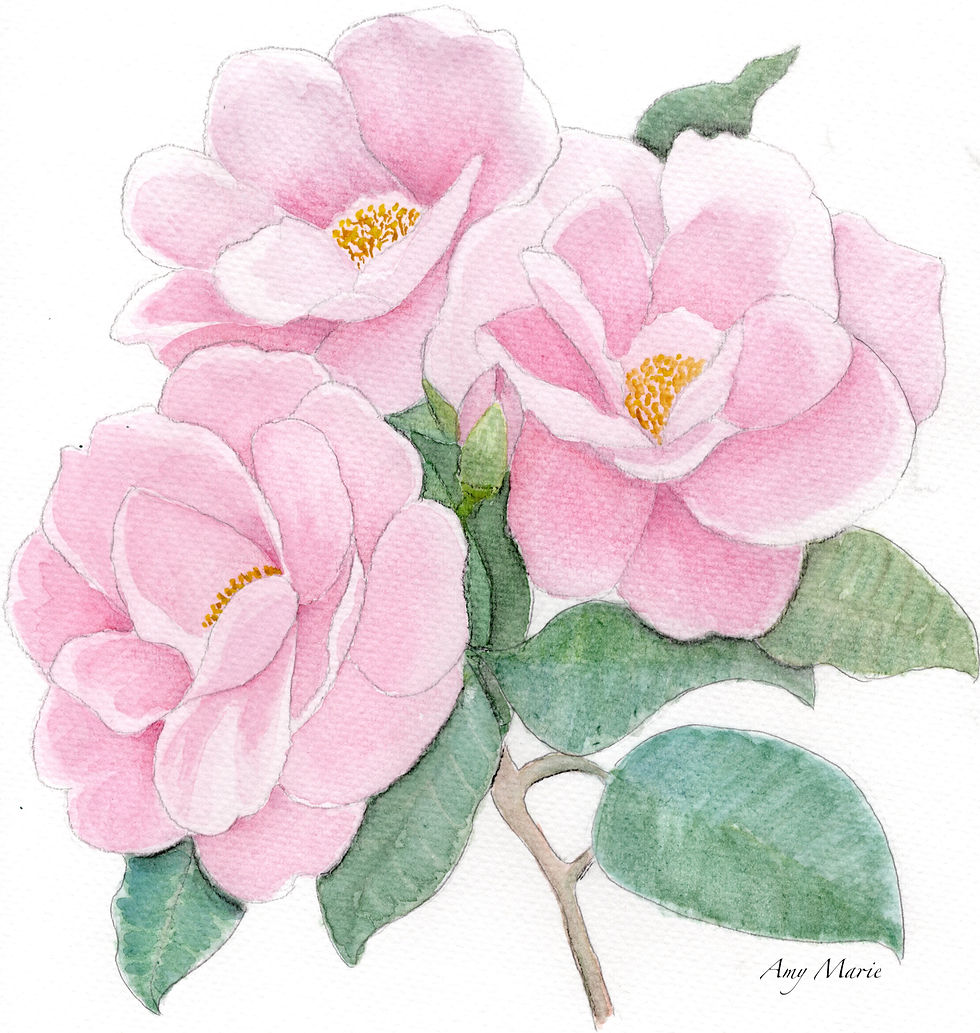
Learning to work with transparency is one of the most important skills in watercolor painting. Instead of covering the surface, you can learn to work with the light already present in the paper. The goal is not to hide the paper. Rather, the goal is to let the paper become part of the painting.
Work From Light to Dark
One of the most important principles in watercolor is to build your painting from the lightest values to the darkest values. Because watercolor is transparent, it is much easier to add darker layers than it is to recover a light area after it has been painted too dark.
Start with your lightest washes and gradually build depth through layers. This allows you to create:
Soft transitions
Glowing colors
Natural depth
Richer shadows
Each layer adds more dimension while allowing the previous layers to shine through. Watercolor is a process of building, not covering.
Let Water Create the Values
In watercolor, you do not need white paint to create lighter colors. Water is what creates your values. By adjusting the relationship between water and pigment, one color can create many different levels of light and dark.
More water creates:
Lighter washes
Softer colors
More transparency
Less water creates:
Stronger color
Deeper values
More intensity
Learning to control water allows you to create an entire range of values from a single pigment. This is one of the reasons watercolor can be so expressive with a limited palette.

Preserve the White of the Paper
In watercolor, the brightest whites usually come from leaving the paper untouched. Instead of painting white highlights, plan for them. The white of the paper is naturally brighter and more luminous than white paint because it reflects light directly through the transparent layers.
Preserve areas of white paper for:
Bright highlights
Sunlight
Reflections
Sparkling details
Areas of focus
Once those areas are covered with paint, it is difficult to recreate the same natural glow.The paper is not just your background. The paper is your light source.
Create Your Own Rich Darks
Many watercolor artists avoid using black paint directly from the palette because it can sometimes appear flat and disconnected from the rest of the painting. Instead, create your own dark colors by mixing complementary colors.
Examples include:
Ultramarine Blue + Burnt Sienna
Blue + Orange
Red + Green
Violet + Yellow
These mixtures create deep, complex darks while allowing subtle color variations to remain visible. A mixed dark often feels more alive because it contains colors that already exist throughout the painting. Your shadows become connected to your subject instead of appearing like separate areas of darkness.
Shadows Are Full of Color
A common misconception is that shadows are simply darker versions of the object. In reality, shadows contain reflected colors from the environment.
A blue shadow may contain hints of orange.
A red object may have green within its darker areas.
A yellow surface may contain violet in the shadows.
By mixing your own darks, you allow these relationships to remain visible. This creates paintings that feel more natural and full of atmosphere.

Embrace Watercolor’s Unique Beauty
Watercolor rewards patience, planning, and trust in the process. The more you understand transparency, the more control you gain. The beauty of watercolor comes from allowing the medium to do what it does best:
Letting water move the pigment.
Allowing the paper to create the light.
Building color through transparent layers.
Creating depth through gradual changes.
🌈 Closing Thought
Watercolor is not about covering the paper. It is about working with the paper, the water, and the light. By preserving the white of the paper, working from light to dark, using water to control values, and creating your own rich dark mixtures, your paintings will have more glow, depth, and life. The magic of watercolor comes from allowing the light to shine through.

Thank you for join us at Coloring Rainbows!
Find us on Substack at https://coloringrainbows.substack.com
Find us on Youtube at https://www.youtube.com/@ColoringRainbows

Comments