🌈 Learn Color Theory
- Coloring Rainbows
- Feb 7
- 3 min read

Making ART!! Having FUN!!

🌈 Introduction to Color Theory: Understanding the Language of Color
Color is one of the most powerful elements in visual art. It shapes mood, creates atmosphere, guides attention, and influences how artwork is emotionally experienced. While color is often felt instinctively, it also follows clear visual principles that artists can study, understand, and apply intentionally.
Color theory is the study of how colors function and interact. It explores how colors mix, how they relate to one another, and how they influence perception within a composition. By understanding color theory, you gain the ability to make more purposeful creative decisions rather than relying entirely on guesswork or instinct.
At its foundation, color theory is built upon three essential properties of color:
Hue refers to the color itself, such as red, blue, yellow, or green.
Value describes how light or dark a color appears.
Saturation refers to the intensity or purity of a color, ranging from vivid and bright to soft and muted.
Together, these three properties determine how colors behave visually and emotionally within an artwork.
A bright, highly saturated warm color may create excitement and energy, while a muted cool color may feel calm, distant, or atmospheric. Strong differences in value can create dramatic contrast and focus, while subtle value transitions often produce softness and harmony. Through these adjustments, color becomes far more than decoration—it becomes a powerful tool for communication and expression.
One of the most important tools in color theory is the color wheel. The color wheel provides a visual framework for organizing and understanding relationships between colors. It arranges colors in a circular sequence that reveals how they connect, transition, and interact with one another.
Primary, secondary, and tertiary colors are positioned in ways that help artists recognize patterns of harmony and contrast. Through the color wheel, you can explore relationships such as:
Complementary colors
Analogous colors
Split complements
Triadic color schemes
These relationships help you create palettes that feel balanced, expressive, and visually connected.
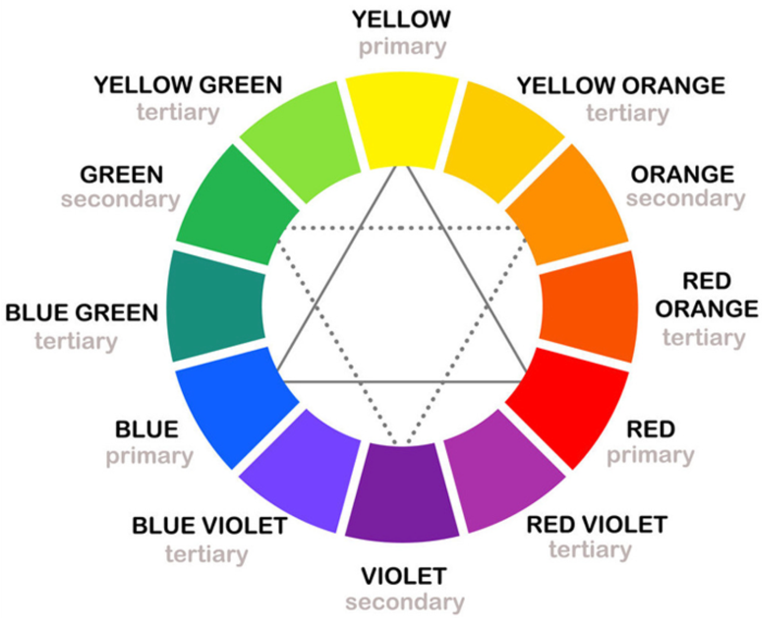
By learning how the color wheel functions, you move beyond random color selection and begin making intentional choices. Instead of simply choosing colors that “look nice,” you can build palettes that support mood, emphasis, unity, and visual balance throughout a composition.
Color theory also extends beyond the technical process of mixing paint. It explores the psychological and emotional effects of color as well. Certain colors may feel warm, energetic, peaceful, dramatic, nostalgic, or mysterious depending on how they are used and combined.
Color perception is influenced by many factors, including:
Surrounding colors
Lighting conditions
Saturation levels
Cultural associations
Context within the composition
Understanding these effects allows artists and designers to guide the viewer’s attention and shape the emotional atmosphere of their work more intentionally.
Because of its versatility, color theory plays an important role across many creative disciplines, including:
Painting
Illustration
Graphic design
Photography
Animation
Fashion design
Interior design
Filmmaking
Digital media
Whether creating a watercolor landscape, designing a brand identity, or building a cinematic scene, understanding color relationships helps creators communicate ideas more clearly and effectively.
Learning color theory is often most effective when approached as a progression of connected concepts. You may want to begin with foundational ideas such as hue, value, and saturation before moving toward more advanced topics like color harmony, temperature, contrast, and atmospheric color relationships.
Each concept builds upon the previous one, gradually creating a deeper understanding of how color functions within visual art. Over time, studying color theory develops more than technical skills—it develops visual awareness. You will begin recognizing subtle relationships between colors, understanding why certain palettes succeed, and learning how color can influence mood, focus, and composition.
As this understanding grows, color becomes less accidental and more intentional. Instead of simply filling space, color begins to shape the entire visual experience.
🌈 Closing Thought
Color theory is about understanding the relationships that allow color to communicate more clearly, emotionally, and beautifully. The more you explore color intentionally, the more confidently you can transform simple palettes into expressive visual language.

Thank you for join us at Coloring Rainbows!
Find us on Substack at https://coloringrainbows.substack.com
Find us on Youtube at https://www.youtube.com/@ColoringRainbows


Comments